


View All CanSAGE Videos
Our complete database of videos and articles includes comprehensive information on gynecology, obstetrics, and surgical education for doctors and medical practitioners.
Latest Videos
Table of Contents Procedure Summary Authors Youtube Video What is Minimally Invasive...
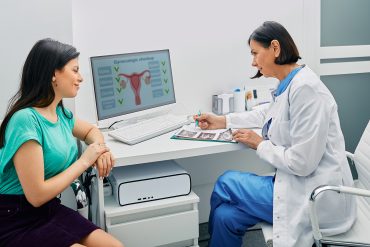
Treatment for endometriosis often includes hormone therapies like birth control pills, progestin, or GnRH agonists/antagonists. It may also include pain relief with NSAIDs, acetaminophen, or TENS. Surgeries like laparoscopy and hysterectomy may be clinically indicated in some cases. For fertility, ovulation-inducing drugs, IUI, or IVF can help patients who want to become pregnant and carry to term. Each approach comes with benefits and risks. Consulting a qualified medical provider is the best way to choose an appropriate treatment method.
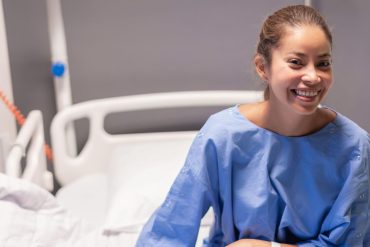
Patients scheduled for laparoscopy for endometriosis may need to attend a Preoperative Clinic first. On surgery day, they'll meet with the surgical team, change into a gown, and receive a general anesthetic through an IV. Once asleep, the surgeon will make small incisions in the abdomen, inflate it with gas, and use a laparoscope to complete the procedure. Most patients recover within one to two weeks, though this depends on how extensive the surgery was.

Endometriosis can be difficult to diagnose, and long wait times can make it difficult to see a specialist in some Canadian cities. Patients can take an active role in their care and advocate for themselves by bringing records, pain diaries, and reports to appointments. Asking for referrals, second opinions, or advice on treatment options like surgery, medication, pain management, and lifestyle changes makes it easier to get your needs met. It also helps to share as much detail as possible.

To manage endometriosis symptoms and improve quality of life, consider adopting the Mediterranean diet, going gluten-free, cutting out dairy dairy-free, decreasing FODMAPs, or going vegan. Managing your stress levels, getting a good sleep at night, and reducing cigarettes or alcohol are scientifically proven to reduce inflammation in the body, improve mood, and make pain or cramping easier to cope with.
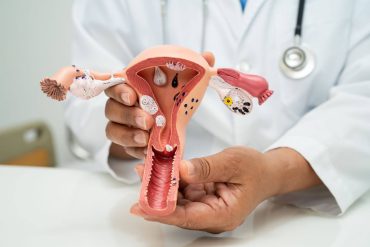
Endometriosis can complicate fertility, but it does not make pregnancy impossible. Myths about infertility, pregnancy as a “cure,” or the lack of minimally invasive options often obscure the facts. In reality, many people with endometriosis conceive naturally or with medical, surgical, or assisted reproductive support. Surgical techniques like laparoscopy, excision, or ablation are minimally invasive and can improve fertility outcomes, especially in milder cases.
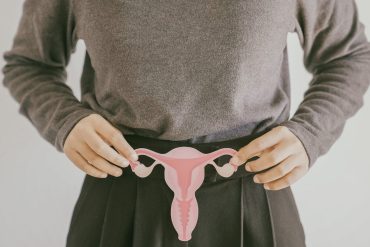
Endometriosis affects about 1 in 10 women and often causes pain in the pelvis, back, hips, legs, bladder, or bowels. High estrogen levels, poor sleep, diet, stress, and other factors can trigger flare-ups that make symptoms worse. Common coping strategies include heat, gentle movement, and anti-inflammatory foods, but if these aren't enough, your doctor might recommend hormone therapies, birth control pills, an IUD, a TENS machine, or surgery instead.

Different resources and support systems for endometriosis exist in Canada, but they are not all equally reliable. Patients often turn to online spaces for support, but while these communities can provide connection, they can also spread misinformation. Structured support groups led by qualified facilitators offer more reliable alternatives, yet their reach is limited by funding and access challenges. New models like pharmacist- and nurse-led education sessions show promise in bridging the gap, providing accurate information and support without overburdening physicians.

Patients with endometriosis have a higher risk for stress, anxiety, depression, and other difficult emotions. See how to navigate these feelings, build support networks, ask for accommodations at work, and protect your mental well-being in this guide from the gynecological experts at CanSAGE.
Preparing for your first appointment with an endometriosis specialist can feel overwhelming, but knowing what to expect and how to prepare helps. At your appointment, the care team will review your history and records, perform an exam, and discuss next steps. Writing down questions and bringing records, symptom notes, and medications helps you get more from the visit.
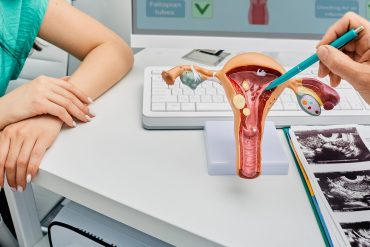
Long wait times, delays in diagnosis, and inconsistent information about endometriosis in videos, websites, or social media posts can affect your understanding of endometriosis. Myths like the idea that hormones are dangerous, surgery is the only treatment, or pregnancy is a cure can stop people from exploring safe and effective options like hormone therapy. It's important to check all info for accuracy, ask your doctor if it applies to you, and get referred to a specialist right away.
Table of Contents Procedure Summary Authors Youtube Video What is Electrosurgery? What...
Step-by-step laparoscopic hysterectomy for a prolapsed cervical fibroid, highlighting surgical strategy, anatomic challenges, and patient-centered considerations.
Table of Contents Procedure Summary Authors Youtube Video What is Ectopic Pregnancy...