


To manage endometriosis symptoms and improve quality of life, consider adopting the Mediterranean diet, going gluten-free, cutting out dairy dairy-free, decreasing FODMAPs, or going vegan. Managing your stress levels, getting a good sleep at night, and reducing cigarettes or alcohol are scientifically proven to reduce inflammation in the body, improve mood, and make pain or cramping easier to cope with.

Patient Facing Videos
Here is our library of patient facing videos. Check back often to see new videos and stay up to date with modern standards.
Latest Patient Facing Videos
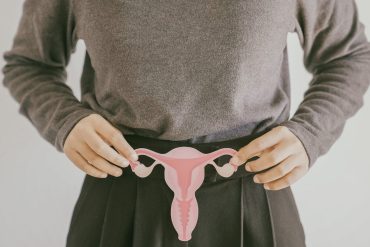
Endometriosis affects about 1 in 10 women and often causes pain in the pelvis, back, hips, legs, bladder, or bowels. High estrogen levels, poor sleep, diet, stress, and other factors can trigger flare-ups that make symptoms worse. Common coping strategies include heat, gentle movement, and anti-inflammatory foods, but if these aren't enough, your doctor might recommend hormone therapies, birth control pills, an IUD, a TENS machine, or surgery instead.

Different resources and support systems for endometriosis exist in Canada, but they are not all equally reliable. Patients often turn to online spaces for support, but while these communities can provide connection, they can also spread misinformation. Structured support groups led by qualified facilitators offer more reliable alternatives, yet their reach is limited by funding and access challenges. New models like pharmacist- and nurse-led education sessions show promise in bridging the gap, providing accurate information and support without overburdening physicians.
Preparing for your first appointment with an endometriosis specialist can feel overwhelming, but knowing what to expect and how to prepare helps. At your appointment, the care team will review your history and records, perform an exam, and discuss next steps. Writing down questions and bringing records, symptom notes, and medications helps you get more from the visit.
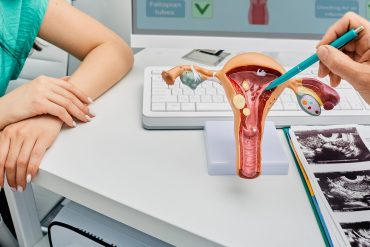
Long wait times, delays in diagnosis, and inconsistent information about endometriosis in videos, websites, or social media posts can affect your understanding of endometriosis. Myths like the idea that hormones are dangerous, surgery is the only treatment, or pregnancy is a cure can stop people from exploring safe and effective options like hormone therapy. It's important to check all info for accuracy, ask your doctor if it applies to you, and get referred to a specialist right away.