


Key surgical considerations for safely excising parasitic fibroids, with emphasis on identification, vascular control, and minimizing surrounding tissue damage.

What Is a Hysteroscopic Myomectomy?
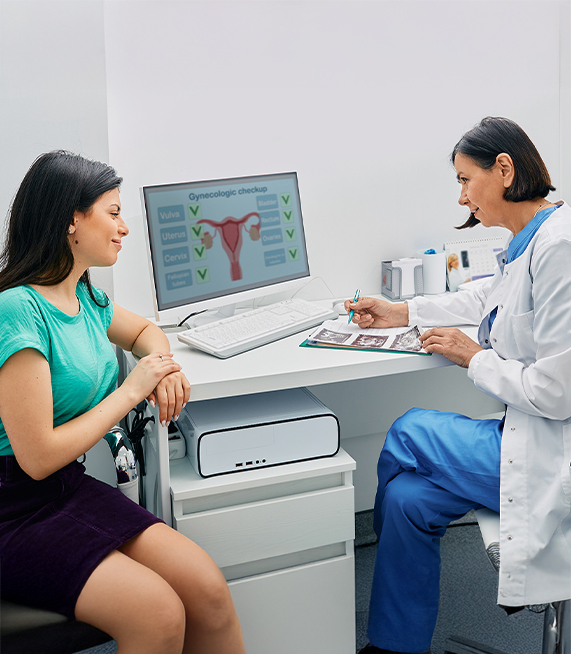
A hysteroscopic myomectomy is a minimally-invasive way to remove fibroids growing inside your uterus. Instead of making a cut in your abdomen, your surgeon will use a thin camera called a hysteroscope to reach your uterus through the vagina and cervix.
This approach can help reduce symptoms like heavy bleeding and cramping. It can also help you avoid the recovery time normally required after abdominal surgery.
How Does Vasopressin Help During This Procedure?
Even though hysteroscopic myomectomy doesn’t require incisions, it can still cause bleeding inside your uterus. Vasopressin is a hormone medication that can reduce this bleeding by tightening your blood vessels. This can make it easier for your surgeon to see the area they’re working on and keep the procedure as safe and efficient as possible.
Pre- and Post-Surgery Checklist
What to Expect
Hysteroscopic myomectomy is usually done with anesthesia, so you’ll most likely be unconscious during the procedure.
If your surgeon plans to use vasopressin, they will likely inject it after you’ve fallen asleep and before the fibroid is removed. It may also be used at other points during the procedure if bleeding increases.
What to Prepare
Here’s what you’ll need to do before your procedure:
• Complete blood work or other tests your surgeon orders to confirm you’re healthy enough for surgery
• Review your medication history with your provider (including prescriptions, over-the-counter meds, and supplements)
• Stop taking blood-thinning medications like aspirin a few days before your surgery
• Fast for around 8 hours before your surgery
In some cases, you may also be asked to take specific medications that will soften your cervix for easier access during the operation. Your provider will let you know if you need to do this.
Questions for Your Doctor
If you are curious about this procedure, here are some questions you may want to ask your healthcare provider:
• Am I a good candidate for hysteroscopic myomectomy based on the size, type, and location of my fibroid(s)?
• What benefits can I reasonably expect, and how soon am I likely to notice improvements?
• Do you plan to use vasopressin during my procedure? Why or why not?
• Are there any reasons vasopressin may not be safe for me (such as heart conditions, blood pressure issues, or other medications)? What would you use instead?
• Is there anything I should keep an eye out for after my procedure, and when should I call you?
Post-Surgery Recovery Process
Recovery is usually straightforward, but it’s important to follow your surgeon’s instructions closely. Here’s what many patients experience after the procedure:
• Mild cramping or light bleeding is common, especially in the first day or two.
• You may notice increased watery discharge for a short time as your body clears out remaining fluid from the procedure.
• Most people can return to normal activities within days, depending on what was removed and how their body responds.
• Your provider will recommend a follow-up appointment. They will also tell you what symptoms should prompt you to call them, such as heavy bleeding, fever, or severe pain.

Surgery Process
Vasopressin is sometimes injected into the cervix or myometrium at various time points during a hysteroscopic myomectomy. Here is an overview of the process, as well as an explanation of where vasopressin is typically used.

STEP 1: Anesthesia & Setup
You will receive anesthesia, so you’re comfortable and not feeling pain while your surgical team prepares the area for the procedure. Vasopressin may be administered after this step, or later on in the procedure.
STEP 2: Hysteroscope Placement
Your surgeon will insert a hysteroscope (a thin tube with a camera and light) through your cervix and into the uterus so they can see the fibroid clearly.

STEP 3: Uterine Expansion With Sterile Fluid
Sterile fluid (usually saline) is used to gently expand the uterus. This creates space so your surgeon can see and work inside the uterine cavity.

STEP 4: Fibroid Removal
A specialized instrument is used to remove the fibroid in small pieces.
STEP 5: Vasopressin Injection (If Used)
If vasopressin has not been administered previously, it may be injected during the fibroid removal in the event of heavier bleeding. It will normally be injected into the uterine muscle near the fibroid. Some surgeons may inject vasopressin into the cervix, rather than the uterine muscle, before fibroid removal.

STEP 6: Final Check & Tissue Testing
Once the fibroid is removed, your surgeon will check to make sure that your uterine cavity looks normal again. The removed tissue will be sent to a lab for testing to confirm that your fibroid is benign (i.e. non-cancerous).

Hysteroscopic Myomectomy FAQs
Who Should Avoid Vasopressin?
Most patients tolerate vasopressin well, but it may not be the best option if you have certain health conditions. Your provider may avoid it if you have:
• A heart condition
• A bleeding disorder
• A history of low blood pressure
If any of these apply to you, ask your surgeon what alternatives they prefer for controlling bleeding during surgery.
What Are the Most Common Side Effects of Vasopressin During Surgery?
Side effects are uncommon, and most are temporary. When side effects do happen, they may include:
• Mild cramping from uterine contractions
• Temporary changes in blood pressure
• Temporary changes in heart rate
Your surgical team takes steps to reduce risk by using a low dose, diluting the medication, and checking carefully to avoid injecting into a blood vessel. Your anesthetist will watch your blood pressure and heart rate closely.
Is Vasopressin Always Used During Hysteroscopic Myomectomy?
Not always. Whether vasopressin is used will depend on factors like:
• The size and location of the fibroid
• Your medical history
• How much bleeding your surgeon expects or observes during the surgery
Some patients won’t need vasopressin at all. Others may need it to keep the procedure safe and efficient.
What Are the Risks of Hysteroscopic Myomectomy?
Your surgeon can explain specific risks related to your case, but the most common complications associated with hysteroscopic myomectomy include:
• Bleeding
• Cervical injury
• Uterine perforation (a hole in the uterus)
• Too much absorption of the fluid used to expand the uterus
Some of these risks are uncommon, and surgeons use specific techniques and monitoring to reduce them.
What Are Alternatives to Vasopressin for Controlling Bleeding?
If vasopressin isn’t a good fit for you, other options may be used during fibroid removal, including:
• Tranexamic acid, which can help reduce bleeding
• Electrosurgical tools that seal blood vessels during removal
• Local anesthetic with epinephrine to help tighten blood vessels
In some cases, surgeons may use more than one approach depending on what they see during surgery.
What Should I Watch Out For During Recovery?
Mild cramping and light bleeding are common after hysteroscopic myomectomy. Contact your provider if you experience:
• Heavy bleeding
• Fever
• Severe or worsening pain
Your surgeon will also let you know when it’s safe to return to exercise, lifting, and other normal activities based on what was done during your procedure.