

The objective of this educational video is to describe the technique and required equipment for performing a LeFort partial colpocleisis using surgical footage as well as a low-cost surgical model.

What Is LeFort Colpocleisis?
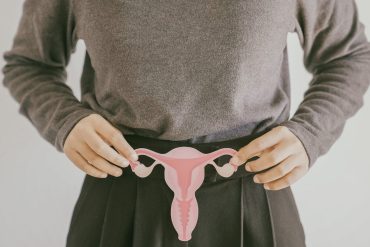
LeFort colpocleisis is a surgical procedure used to treat pelvic organ prolapse. It gently repositions the affected tissues, then closes most of the vaginal canal to hold everything in place.
This surgery is shorter and less invasive than other treatments. However, because it mostly closes the vaginal canal, it is only recommended for people who are not having penetrative vaginal sex and do not plan to in the future.
More LeFort Colpocleisis Resources

What Is Pelvic Organ Prolapse (POP)?
Pelvic organ prolapse happens when the muscles and connective tissues that support the pelvic organs become weakened. It can cause organs like the uterus, bladder, or bowel to drop downward and create bulges or feelings of pressure in the vagina. POP can impact your daily comfort and quality of life.
How Does This Procedure Help?
LeFort colpocleisis helps by moving the affected organs back toward their normal position and creating internal support so they are less likely to drop again. It can reduce the bulge or pressure caused by POP and improve your comfort during daily activities.
LeFort colpocleisis is usually a shorter and less risky procedure than more extensive surgeries. It also has high success rates when used for appropriate patients.
Pre- and Post-Surgery Checklist
What to Expect
LeFort colpocleisis is typically performed through the vagina, whereas other procedures can require abdominal incisions. Before pursuing this option, your surgical team will need to confirm that this procedure fits your lifestyle and health goals. This is because the surgery will permanently change your vaginal canal.
Before surgery, your provider will also check for conditions that could require future access to your uterus and the surrounding area. Conditions like these can make LeFort colpocleisis an impractical option.
What to Prepare
Here’s what you’ll need to do before your procedure:
• Get a cervical screening (Pap test) if you’re due for one
• Test your uterine lining via endometrial sampling so your doctor can rule out uterine concerns before surgery
• Get screened for bladder leakage (stress urinary incontinence), since the process can affect bladder function
• Review your medication history with your provider (including prescriptions, over-the-counter meds, and supplements)
Questions for Your Doctor
If you are curious about whether this procedure may be right for you, here are some questions you may want to ask your healthcare provider:
1. Based on my prolapse and health history, am I a good candidate for LeFort colpocleisis?
2. Will I need any testing of my uterus or cervix before surgery, and why?
3. Could I have bladder leakage after surgery, and should I be tested for that beforehand?
4. What will change after surgery in terms of sex, hygiene, and future pelvic exams?
5. What does recovery look like for me (pain control, lifting limits, return to activities)?
Post-Surgery Recovery Process
/wp-content/uploads/2026/03/CanSAGE-Pre-and-Post-Surgery-Checklist.pdf
xf patients stay in the hospital overnight after the surgery. This provides opportunities for monitoring and pain control.
Your urinary catheter is usually removed on the first day after the surgery. Your team will confirm you can urinate normally before you are sent home.
The red rubber catheter is normally left in place for up to two weeks and removed during a separate follow-up appointment. You may experience some spotting and mild discomfort during this period as your tissues heal.
While healing, your healthcare provider will likely recommend that you avoid lifting heavy objects or physically exerting yourself in other ways. Most people can return to normal activity after a while. Your surgeon will provide you with a personalized recovery timeline.

Surgery Process
A LeFort colpocleisis is performed in a series of steps to effectively reduce the prolapse and create long-term support.

STEP 1: Positioning & Preparation
You will be positioned safely and securely for vaginal surgery. A urinary catheter will be placed to make sure your bladder stays empty during the procedure.
STEP 2: Planning the Surgical Area
Your surgeon will mark the areas of your vaginal lining that need to be treated. They will leave a small amount of space around these areas so that they can insert side channels for drainage later (see Step 4 below).

STEP 3: Removing Small Sections of Vaginal Lining
Your surgeon will carefully remove the marked sections of your vaginal lining. This creates the space they will need to build support for and complete the closure.

STEP 4: Creating Drainage Channels
A red rubber catheter will be temporarily placed near your cervix. Your surgeon will then stitch parts of the surrounding tissues together in a way that holds the catheter in place.
STEP 5: Reducing the Prolapse & Closing Internal Tissues
The prolapsed tissues will be gently moved back into position and secured using stitches. Your surgeon will then close up the vaginal tissue to support the repair long-term.

STEP 6: Perineorrhaphy (If Required)
If the tissues around the opening of your vagina require extra support, your surgeon may perform additional stitches in your perineal area (between your vulva and anus). This can provide additional support and comfort after the procedure.
Lefort Colpocleisis Video Resources
LeFort Colpocleisis FAQs
Who Is the Ideal Candidate for LeFort Colpocleisis?
LeFort colpocleisis is typically recommended for patients with pelvic organ prolapse who:
• Are no longer having vaginal intercourse
• Have conditions that rule out the use of more invasive surgical procedures
What Are the Most Common Complications Associated with LeFort Colpocleisis?
LeFort colpocleisis is generally considered to have a low risk of complications, but every surgery comes with risks like:
• Complications from anesthesia
• Pain after the operation
• Bleeding during surgery
• Infection
• Blood clots
• Injury to nearby organs
A few specific problems can also arise after this procedure, including:
• A urinary tract infection (UTI)—there is about a 5–10% chance of this after surgery
• Feelings of regret or remorse: because the change is permanent
• Future uterine problems that may require additional testing, or a future hysterectomy in certain cases
What Are the Most Common Complications Associated with LeFort Colpocleisis?
LeFort colpocleisis is generally considered to have a low risk of complications, but every surgery comes with risks like:
• Complications from anesthesia
• Pain after the operation
• Bleeding during surgery
• Infection
• Blood clots
• Injury to nearby organs
A few specific problems can also arise after this procedure, including:
• A urinary tract infection (UTI)—there is about a 5–10% chance of this after surgery
• Feelings of regret or remorse: because the change is permanent
• Future uterine problems that may require additional testing, or a future hysterectomy in certain cases
Your surgeon can explain your personal risk profile based on your health history.
What Are the Risks of Leaving Pelvic Organ Prolapse Untreated?
Not everyone needs surgery for POP, but untreated prolapse can worsen over time. It may lead to problems like:
• Additional pain and discomfort
• An increased vaginal bulge or pressure in the area
• Difficulty emptying your bladder or bowels
• Irritation or sores
• Difficulty performing activities that require standing or walking
• More difficulty treating the condition later if it is left to progress
What Are the Other Options for Treating Pelvic Organ Prolapse?
Conservative treatment for POP mostly focuses on lifestyle changes like
• Weight loss
• Quitting smoking (if applicable)
• Pessaries
• Pelvic floor physiotherapy
Surgical treatment for POP can either be reconstructive or obliterative. Reconstructive surgeries aim to restore the normal function of the vaginal area, whereas obliterative surgeries close it off to reduce the risk of future problems.
Surgical treatment consists of reconstructive procedures as well as obliterative procedures like LeFort partial colpocleisis and complete colpocleisis. LeFort colpocleisis is an obliterative procedure.