


Lectures
Latest Lecture Videos
Table of Contents Procedure Summary Authors Youtube Video What is Minimally Invasive...
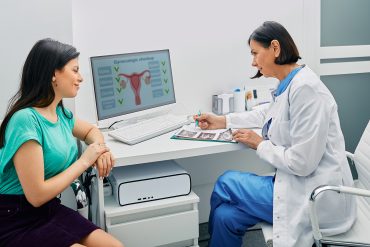
Treatment for endometriosis often includes hormone therapies like birth control pills, progestin, or GnRH agonists/antagonists. It may also include pain relief with NSAIDs, acetaminophen, or TENS. Surgeries like laparoscopy and hysterectomy may be clinically indicated in some cases. For fertility, ovulation-inducing drugs, IUI, or IVF can help patients who want to become pregnant and carry to term. Each approach comes with benefits and risks. Consulting a qualified medical provider is the best way to choose an appropriate treatment method.
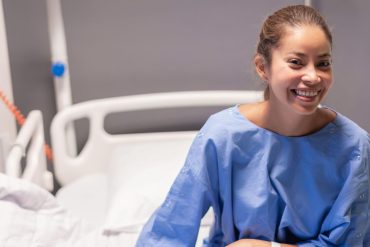
Patients scheduled for laparoscopy for endometriosis may need to attend a Preoperative Clinic first. On surgery day, they'll meet with the surgical team, change into a gown, and receive a general anesthetic through an IV. Once asleep, the surgeon will make small incisions in the abdomen, inflate it with gas, and use a laparoscope to complete the procedure. Most patients recover within one to two weeks, though this depends on how extensive the surgery was.

Endometriosis can be difficult to diagnose, and long wait times can make it difficult to see a specialist in some Canadian cities. Patients can take an active role in their care and advocate for themselves by bringing records, pain diaries, and reports to appointments. Asking for referrals, second opinions, or advice on treatment options like surgery, medication, pain management, and lifestyle changes makes it easier to get your needs met. It also helps to share as much detail as possible.